
Supporting Mental Health in the Community
Continuous Care and Crisis Intervention When You Need It Most
From a medical perspective, community mental health crises require timely recognition, compassionate assessment, and coordinated intervention. They are not merely social disturbances but urgent health conditions that demand a professional, evidence-based response. Early psychiatric evaluation and continuity of care can prevent deterioration, reduce hospitalization, and restore patients’ functional stability. Effective crisis management extends beyond the hospital walls, involving collaboration among families, healthcare teams, and community networks to ensure safety, dignity, and recovery for individuals in distress.
We Are Here To Help
Specialty Care When You Need It Most

Our vision is to build a responsive and compassionate system of psychiatric care that supports recovery at every stage.
Through home treatment, we help patients maintain stability and independence in familiar surroundings; through 24-hour emergency services, we provide immediate help during times of crisis. Together, these services form a continuous network of medical and psychosocial care that reduces relapse, strengthens resilience, and empowers individuals to reclaim meaningful roles in their families and communities.
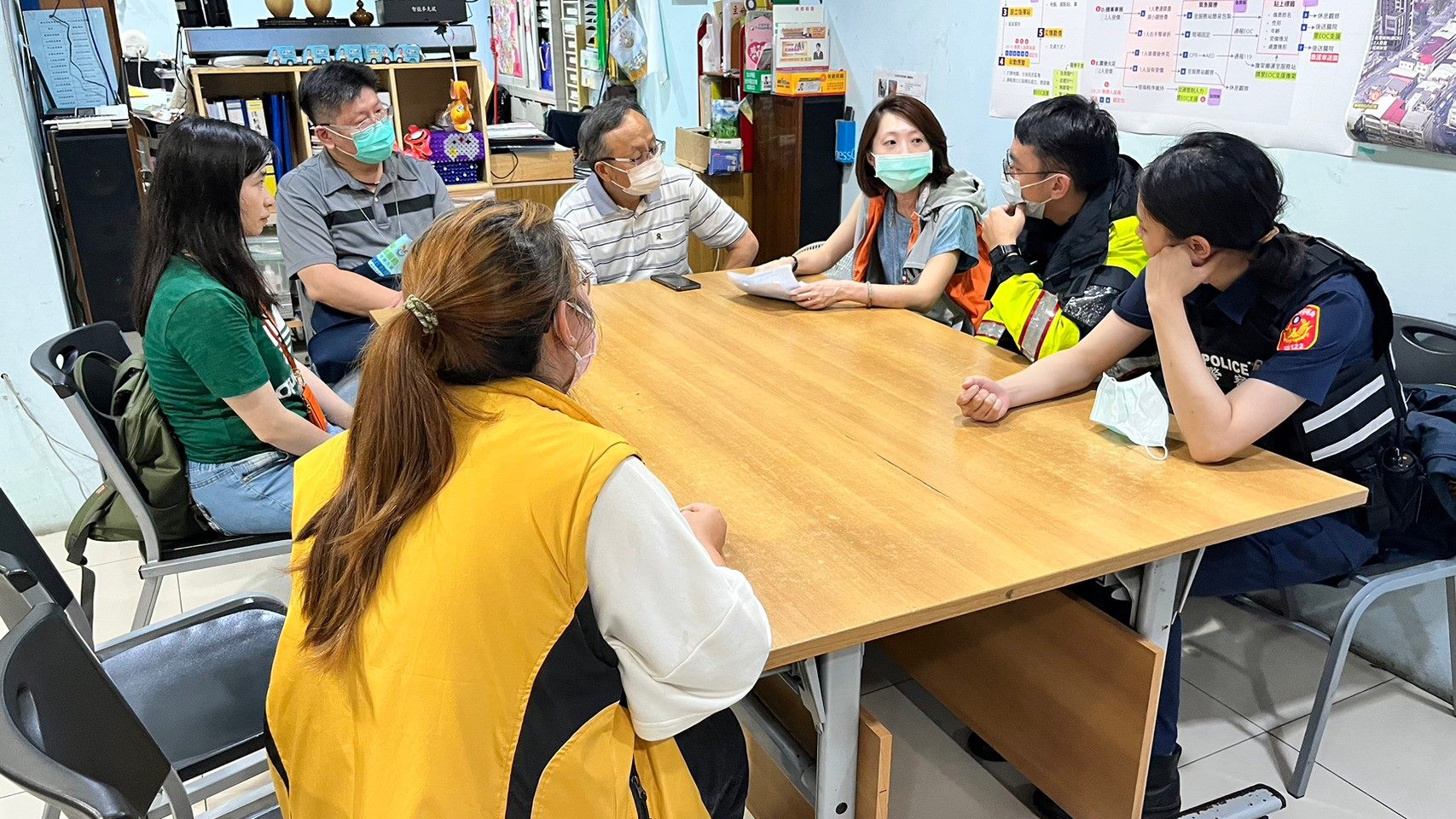
Our Multidisciplinary Team
Our community psychiatric services are delivered by a dedicated multidisciplinary team that works collaboratively to provide holistic, person-centred care. The team includes psychiatrists who oversee medical treatment, psychiatric nurses who monitor daily health and medication, case managers who coordinate services and follow-up, clinical psychologists who offer psychological assessment and therapy, and social workers who support family and community reintegration. Together, they ensure continuity of care, promote recovery, and enhance the quality of life for every patient.

透過經顱磁刺激為憂鬱症患者提供安全、有效的治療與希望
憂鬱症是可治療的腦部疾病,它涉及神經傳導失衡、腦功能變化與生活壓力等多重因素。未受妥善治療的憂鬱症對患者的生活、工作及人際關係影響重大。
約三成患者對藥物反應有限,而經顱磁刺激被證實能夠有效幫助這群患者改善症狀。本中心運用重覆式與深層經顱磁刺激調節情緒相關腦功能,協助患者走出憂鬱症的陰影,重回人生軌道。

Our vision
團隊長年執行腦刺激治療,依循科學實證並持續開展臨床研究。在舒適放鬆的治療環境中,以病人為中心,提供專業、溫馨的照護。
我們的願景是協助憂鬱症患者改善情緒與症狀,減少失能與避免復發,找回病前的自信,重建穩定而有品質的生活。

Our Team
BRAVE Center 由多位具不同專長的精神科醫師組成,協力照護各型憂鬱症。
◆ 難治型憂鬱症:聚焦藥物反應不佳個案。
◆ 老年精神醫學:處理年長者憂鬱。
◆ 婦女精神醫學:關注經期、孕期與更年期憂鬱。
◆ 成癮精神醫學:治療成癮疾患的憂鬱共病。

“Together, we bring care, support, and hope to help you start a new chapter.”
Addiction is a complex and chronic medical condition that requires comprehensive, long-term care. At our center, we recognize that addiction is not merely a result of personal choices, but often intertwined with mental health issues, trauma, environmental factors, and social determinants. Our approach emphasizes early screening, personalized treatment, and continuity of care, implemented through a multidisciplinary and integrated approach. By collaborating across specialties, institutions, age groups, and community systems, we aim to reduce relapse rates, enhance treatment adherence, and support individuals in rebuilding healthy life functions. Our ultimate goal is to help patients reintegrate into society and maintain long-term recovery through evidence-based interventions and holistic support.
Our center offers a range of treatments for various addictions, including alcohol, drugs, gambling, internet use, and more. We provide evidence-based programs tailored to various levels of addiction severity and patient needs:
◆ Family Support Plan: Addresses family dynamics and trauma, facilitating recovery through systemic family therapy.
◆ DBT Aim to Win a New life(DAWN)Program: Targets emotional dysregulation and relapse prevention through Dialectical Behavior Therapy (DBT).
◆ Lifestyle Improvement and Further Engagement(LIFE)Program: Helps patients rebuild daily routines and find purpose beyond substance use through occupational therapy.
◆ Programs for Adolescents, Pregnant Women, and Sedative/Hypnotic Misuse in elders: Early screening, medical evaluation, and cross-sector interventions are provided following the SBIRT model (Screening, Brief Intervention, and Referral to Treatment).
◆ Repetitive Transcranial Magnetic Stimulation (rTMS): A non-invasive procedure that uses magnetic fields to stimulate areas of the brain involved in addiction, helping to reduce cravings and improve mental well-being.
The Addiction Medicine Development Center is more than a treatment facility
It is a hub for healing, learning, and innovation. By integrating medical, psychological, legal, and community resources, we provide a person-centered, continuity-of-care model that addresses the diverse needs of our patients. Our multidisciplinary team ensures that no patient falls through the cracks, from emergency care to long-term support. We envision a future where individuals with substance use disorders are not marginalized, but supported with dignity and access to cutting-edge treatment. Through structured programs, professional training, and community collaboration, we aim to expand both the depth and reach of addiction care in Taiwan. Ultimately, we strive to empower individuals not only to achieve sobriety but to live meaningful, connected, and fulfilling lives.
The Addiction Medicine Development Center is composed of a multidisciplinary team, including:
◆ Psychiatrists with addiction specialty: Responsible for medical evaluation and treatment.
◆ Case manager: Assessing the needs of each individual and coordinating the most suitable treatment services.
◆ Social worker: Assist with welfare applications, housing arrangements, and can also provide family assessment and family therapy.
◆ Occupational therapist: Help patients rebuild their daily lives and regain functional independence.
◆ Psychologists: Conduct psychological examination and provide both individual and group psychotherapy.
Our Multidisciplinary Team
Our community psychiatric services are delivered by a dedicated multidisciplinary team that works collaboratively to provide holistic, person-centred care. The team includes psychiatrists who oversee medical treatment, psychiatric nurses who monitor daily health and medication, case managers who coordinate services and follow-up, clinical psychologists who offer psychological assessment and therapy, and social workers who support family and community reintegration. Together, they ensure continuity of care, promote recovery, and enhance the quality of life for every patient.


![我的E政府 [另開新視窗]](/images/egov.png)
